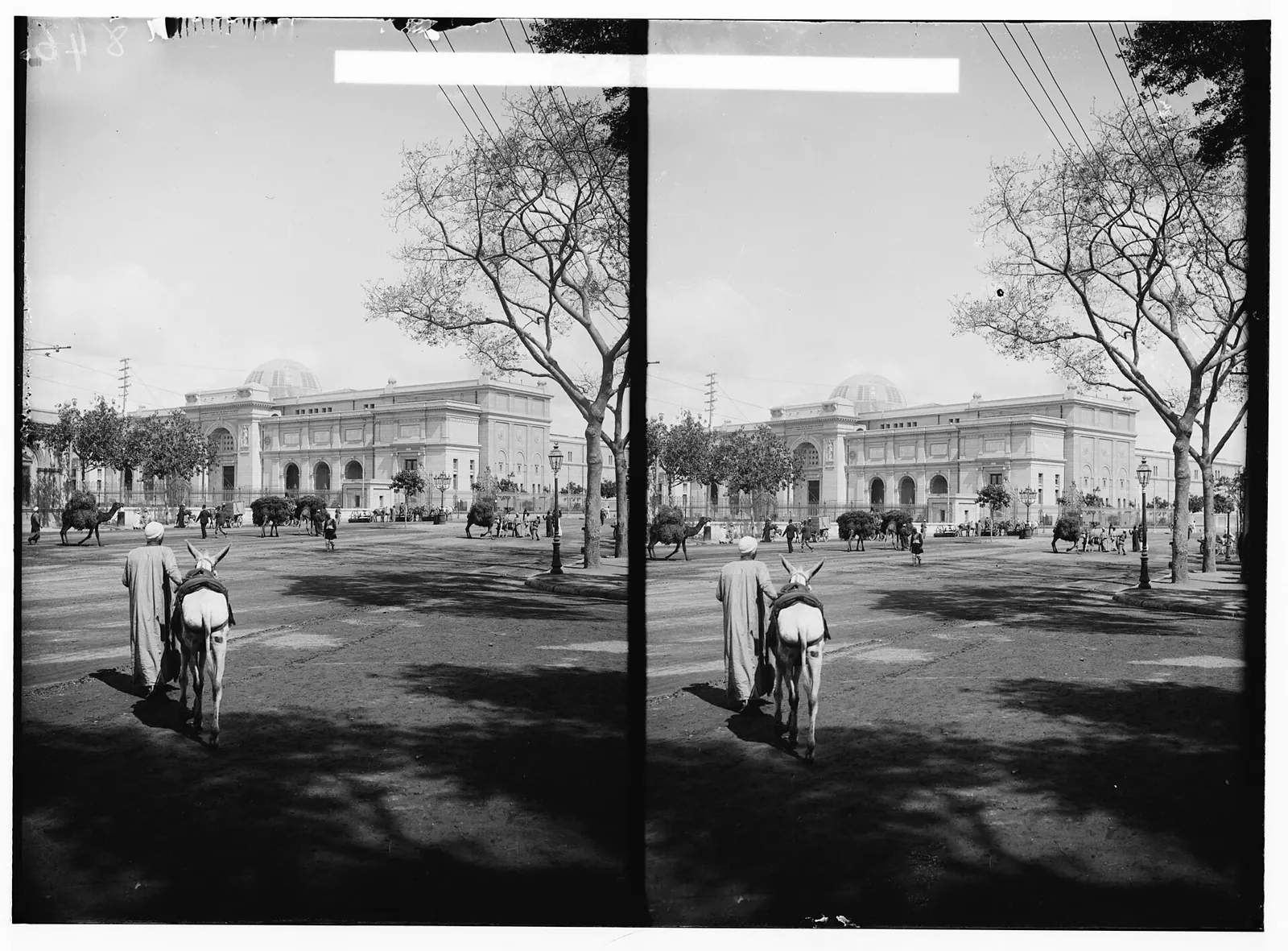
This demanding plan contrasts the Egyptian Museum in Tahrir with the Museum of Islamic Art at Bab al-Khalq. They are not one museum campus, and the transfer is a variable city journey rather than a guaranteed quick hop.
WHO SHOULD USE IT
Choose contrast, not maximum object count.
The plan suits experienced museum visitors who can stop after a focused route. It does not suit a first museum day with children, anyone recovering from travel, or groups with unresolved mobility and transport needs.
Choose one comparative question: how writing changes across materials; how rulers present authority; or how wood, glass and metal move between practical and ceremonial use.
THE DAY SEQUENCE
Put density first and spacious attention second.
Egyptian Museum in Tahrir
Use four anchors: one monument, one small object, one comparison and one surprise. Stop after roughly 90–120 focused minutes.
Exit completely
Eat, hydrate and sit away from display material. Do not review every photograph during the break.
Cancel or continue
Continue only if the group can still read labels, stand comfortably and accept variable traffic. Otherwise end the museum day here.
Move without a fixed-minute promise
Use the current safest practical transport option. Walking conditions, traffic and road access can change.
Museum of Islamic Art
Follow the same material or authority question across a different historical collection. Choose three galleries or material groups, not the entire museum.
WHY THE ORDER MATTERS
The denser museum demands fresher attention.
Tahrir’s visual abundance benefits from the morning. The second museum gains meaning through deliberate contrast, but only after a real reset. Reversing the order may suit current opening periods; the principle is to place the personally harder museum first.
Live checks
Verify both institutions independently, including entrances, last admission, photography, bags and step-free routes. Recheck the transfer after leaving museum one.