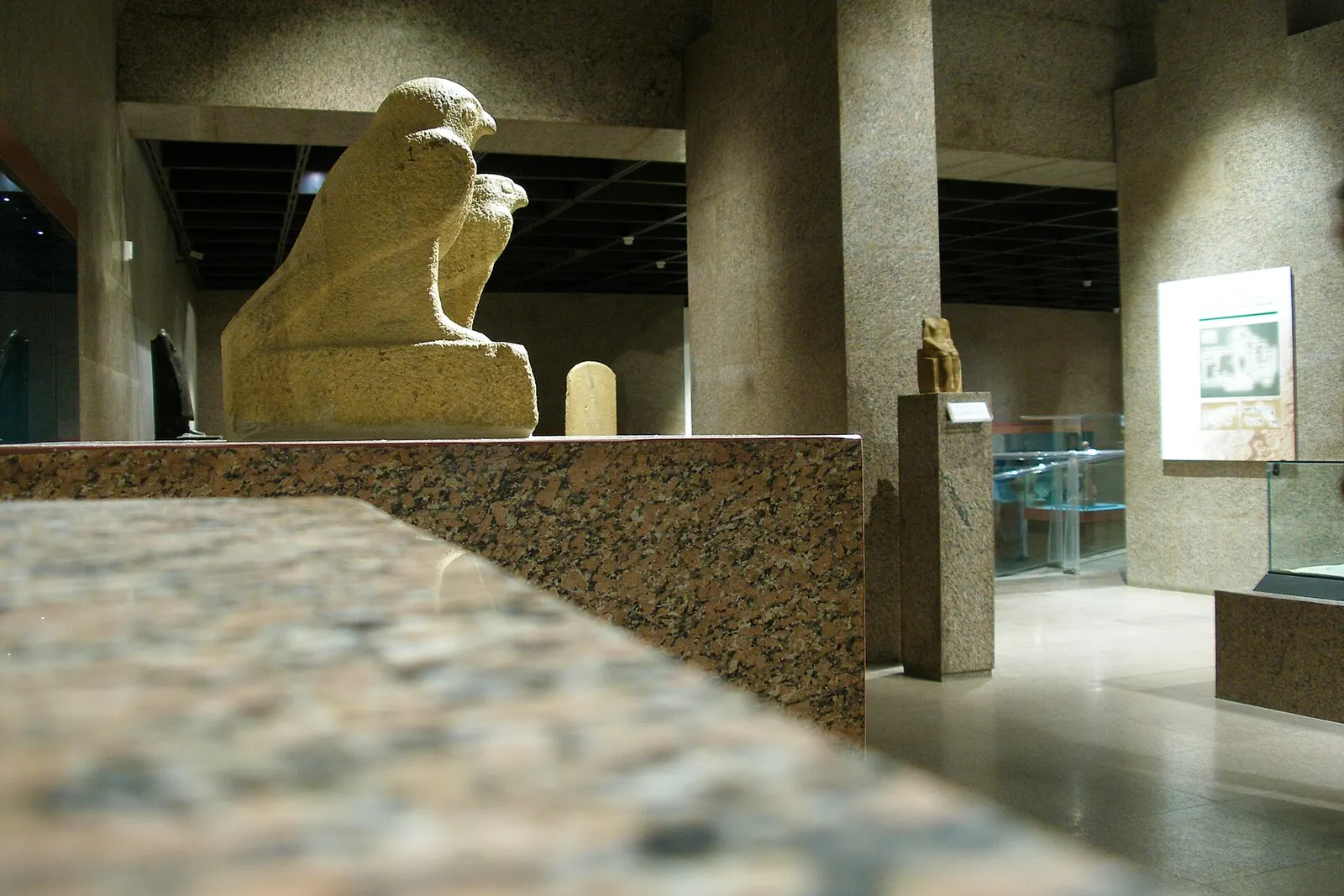
The Nubian Museum explains a river landscape transformed by archaeology, dam construction and displacement. This day gives the museum the first claim on attention, then uses a simple river-edge interval to let that history settle.
BEFORE LEAVING
Let heat choose the order.
If current museum hours allow, place the museum in the cooler or fresher attention band of the day. Do not assume garden areas are comfortable or open at midday. This plan recommends no boat purchase; any on-water activity requires separate current safety, accessibility and operator checks.
- Confirm museum and garden access.
- Check shade, water and camera rules.
- Ask about step-free outdoor paths.
- Choose a safe, known river-edge destination.
THE DAY SEQUENCE
Move from map to material to present landscape.
Begin with Nubian geography
Orient to the Nile valley across southern Egypt and northern Sudan before entering the chronology.
Follow one material
Trace pottery, textile, jewellery or building practice across periods. Keep modern borders and ancient geographies distinct.
Hold rescue beside displacement
Study models and photographs of the UNESCO campaign, then continue into recent Nubian cultural material rather than ending the story with inundation.
Long indoor rest
Eat, hydrate and avoid transferring directly into exposed sun.
River-edge interval
Choose an accessible public viewpoint or walk already checked locally. Observe granite, vegetation, water movement and settlement without scheduling another attraction.
WEATHER FALLBACK
The landscape does not require exposure.
If heat, wind or mobility conditions make the river interval unsuitable, retain the museum and rest. Use a shaded or indoor viewpoint only if already known and accessible.
Live checks
Verify museum hours, outdoor access, weather, transport and step-free paths. Any river activity is outside this editorial plan and must be assessed separately.